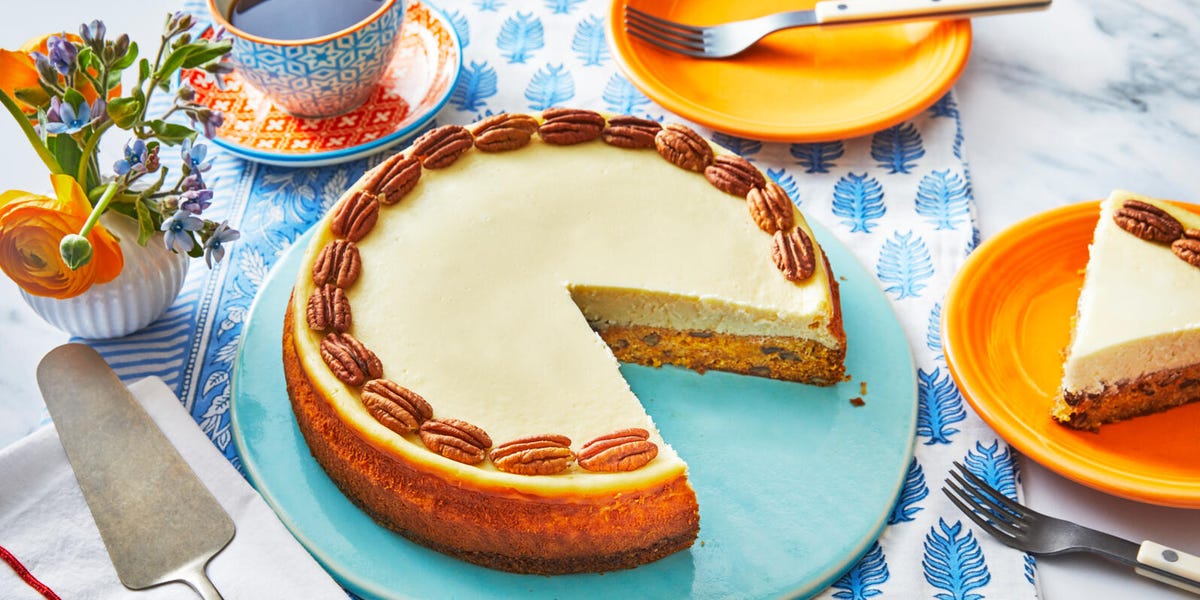
The Allure of Carrot Cake Cheesecake: A Dessert Mash-Up Masterpiece
Imagine the moist, spiced comfort of a classic carrot cake meeting the rich, creamy decadence of a perfect cheesecake. No longer do you have to choose! The carrot cake cheesecake recipe is the ultimate dessert mash-up, delivering the best of both worlds in one stunning creation. It’s a showstopper perfect for Easter brunches, birthday celebrations, or any occasion where you want to impress without the usual baking stress. With a tender carrot cake base, a smooth, tangy cheesecake layer, and a lavish cream cheese frosting, every bite is a symphony of textures and flavors that tastes like spring.
Many home bakers might shy away from layered desserts, especially those involving cheesecake, fearing cracks or uneven baking. But what if we told you there’s a secret to achieving flawless results without the fuss of a water bath? This comprehensive guide will walk you through mastering the carrot cake cheesecake, focusing on the game-changing technique of temperature control to ensure a perfectly smooth, crack-free cheesecake layer every single time. Get ready to elevate your dessert game and become the star of your next gathering!
The Secret Weapon: Precision Temperature Control (No Water Bath Needed!)
One of the most intimidating aspects of cheesecake baking is often the dreaded water bath. While effective, it can be messy, cumbersome, and sometimes lead to soggy crusts. The good news? For this carrot cake cheesecake recipe, a water bath is entirely unnecessary! The key to achieving that signature creamy texture and preventing unsightly cracks lies in understanding and implementing precise temperature control during the baking process.
Why Temperature Control is Your Best Friend
Cheesecake, at its heart, is a delicate custard. It sets through gentle heat, and rapid changes in temperature are its arch-nemesis. High heat can cause the exterior to bake too quickly, forming a firm crust while the interior is still raw. As the cheesecake cools, this overbaked outer layer contracts, pulling at the still-soft interior, leading to cracks. Temperature control mitigates this by:
- Gradual Baking: A lower, consistent temperature allows the cheesecake to cook slowly and evenly from the edges to the center.
- Preventing Overbaking: It ensures the delicate proteins in the cream cheese don't seize up and become rubbery, maintaining that desired silky texture.
- Reducing Temperature Shock: By starting with a higher temperature for the cake base and then significantly lowering it for the cheesecake, you create an environment where the cheesecake can bake gently without experiencing extreme thermal fluctuations.
Our method involves starting the carrot cake base at 350°F (175°C) to give it a good initial structure and rise. Then, crucial to success, the oven temperature is lowered to 325°F (160°C) before the cheesecake mixture is poured in. This small but mighty adjustment ensures the cake layer doesn't overbake while providing the perfect environment for the cheesecake to set beautifully. The result? A perfect carrot cake cheesecake with distinct, moist layers and a velvety smooth top.
Breaking Down the No-Water-Bath Myth
Many cheesecake recipes insist on a water bath for even baking and crack prevention. So, why can we skip it here? It comes down to a few factors:
- Gradual Temperature Drop: The precisely controlled oven temperature (especially the drop from 350°F to 325°F) mimics the gentle, moist heat environment that a water bath provides, but without the hassle.
- Layered Structure: The carrot cake base acts as an insulator, protecting the bottom of the cheesecake and contributing to more even heat distribution.
- Slow Cooling: Allowing the cheesecake to cool slowly in the oven with the door propped open is just as, if not more, important than the baking process itself. This gradual cooling prevents the sudden temperature shock that often causes cracks.
Embrace the freedom from the water bath and trust in the power of careful temperature management and patience during cooling. You'll be amazed at the professional-quality results you can achieve.
Crafting Your Carrot Cake Cheesecake: Layer by Layer
Creating this stunning dessert involves a few distinct stages, each crucial for the final masterpiece. Let's break down how to perfect each layer, from the spiced cake base to the luscious cream cheese frosting.
The Moist Carrot Cake Base: A Smart Shortcut
The foundation of this incredible dessert is a tender, flavorful carrot cake. To save time without sacrificing taste, we highly recommend a brilliant shortcut: using a boxed spice cake mix. This hack doesn't just cut down prep time; it ensures a consistently moist and fluffy base every time. But we don't stop there!
- Enhance the Mix: To truly make it your own and boost the authentic carrot cake flavor, fold in plenty of freshly shredded carrots (about 1 to 1.5 cups) and chopped walnuts or pecans (¾ to 1 cup). This not only adds incredible texture and moisture but also that classic, comforting spiced flavor.
- Oil for Moisture: While butter has its place, using oil in the cake base is key here. Oil keeps the cake incredibly moist and tender, preventing it from baking up firm or tough, which is essential when pairing it with a rich cheesecake.
- Par-Baking is Key: You'll par-bake this carrot cake layer in your springform pan first. This step is critical because it gives the cake structure and allows it to cook enough so that both layers finish baking at approximately the same time, preventing a raw cake base or overcooked cheesecake. Bake it until it's set but not fully browned.
The Silky-Smooth Cheesecake Layer: Achieving Perfection
The cheesecake layer is where you'll unleash your inner patissier. This homemade component is surprisingly straightforward to prepare but requires attention to detail.
- Softened Cream Cheese: This is non-negotiable for a lump-free cheesecake. If you forget to set it out, don't fret! You can soften cream cheese quickly by unwrapping it and microwaving it on low power for 10-15 second intervals, or placing the foil-wrapped blocks in a bowl of warm water for 10-15 minutes. Always use full-fat cream cheese for the best texture and flavor.
- The Role of Sour Cream: Don't skip the sour cream! It adds a beautiful tang that balances the richness of the cream cheese, contributing to an incredibly creamy texture. Full-fat sour cream works best.
- Gentle Mixing: Overmixing cream cheese batter can incorporate too much air, leading to cracks. Mix on low speed until just combined, scraping down the bowl frequently.
- Pouring Technique: Once your carrot cake base is par-baked and slightly cooled (and the oven temperature has been lowered!), pour the cheesecake mixture slowly and evenly over the cake. Start pouring around the edges of the pan and gradually move towards the center. This technique helps prevent the cake from sinking in the middle due to the weight of the cheesecake batter.
The Tangy Cream Cheese Frosting: The Finishing Touch
No carrot cake cheesecake would be complete without a generous slathering of tangy cream cheese frosting. This layer not only adds visual appeal but also provides a necessary counterpoint to the richness of the cake and cheesecake.
- Classic Recipe: A simple frosting of softened cream cheese, unsalted butter, powdered sugar, and a touch of vanilla extract is all you need. Beat it until light and fluffy.
- Chill for Spreading: If your kitchen is warm, chill the frosting slightly before spreading to achieve cleaner edges and easier application.
- Garnish for Impact: For an extra touch of elegance, garnish with toasted pecan halves, a dusting of cinnamon, or delicate carrot curls before serving.
Essential Tips for Carrot Cake Cheesecake Success
Beyond temperature control and proper layering, a few additional tips can make all the difference in achieving a truly showstopping dessert.
Ingredient Preparation: The Foundation of Flavor
- Room Temperature Matters: Ensure your cream cheese, eggs, and sour cream are all at room temperature before mixing. This emulsifies ingredients better, leading to a smoother, more uniform cheesecake batter.
- Freshly Grated Carrots: While pre-shredded carrots are convenient, freshly grated carrots tend to be moister and more flavorful, making a noticeable difference in the cake base.
- Spice Profile: Don't be afraid to enhance your cake mix with additional spices like a pinch of nutmeg, ginger, or allspice to deepen the flavor profile.
Assembly and Baking Wisdom
- Springform Pan Prep: Always grease and flour your springform pan well. For extra security against leaks (especially if your pan isn't brand new), you can wrap the outside bottom of the pan tightly with aluminum foil. Lining the bottom with parchment paper is also a great idea for easy removal.
- Don't Open the Oven Door: Resist the urge to peek during the main baking period. Fluctuations in temperature can cause cracks. Wait until the recommended baking time is almost up.
- The "Wobble" Test: Your cheesecake is done when the edges are set, but the center still has a slight jiggle (about 1-2 inches in diameter) when you gently shake the pan. It will continue to set as it cools.
- Cooling is Crucial: After baking, turn off the oven and prop the oven door open about an inch with a wooden spoon. Let the cheesecake cool in the oven for at least an hour (or longer) before transferring it to a wire rack to cool completely at room temperature. This slow cooling is essential for preventing cracks from temperature shock.
- Refrigeration: Once fully cooled to room temperature, refrigerate the cheesecake for at least 6-8 hours, or ideally overnight, before frosting and serving. This allows it to set completely and firm up, making slicing a breeze.
By following these detailed steps and heeding these practical tips, you’ll unlock the secrets to a flawless carrot cake cheesecake. It’s a dessert that not only tastes incredible but looks absolutely magnificent, making every effort worthwhile.
Conclusion
The carrot cake cheesecake is more than just a dessert; it's a celebration of flavors and textures, proving that sophisticated baking doesn't have to be overly complicated. By embracing the power of precise temperature control and ditching the water bath, you've gained a valuable skill that will elevate all your cheesecake endeavors. From the moist, spiced cake base to the luxurious, crack-free cheesecake layer and the tangy cream cheese frosting, every element contributes to a truly unforgettable culinary experience. So go ahead, bake with confidence, and prepare to delight everyone with this sensational dessert. Your journey to mastering the perfect carrot cake cheesecake begins now!
